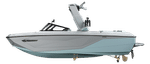
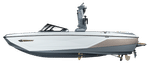
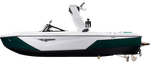
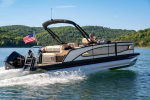
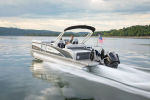
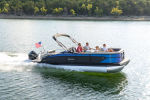
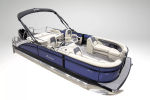
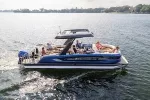
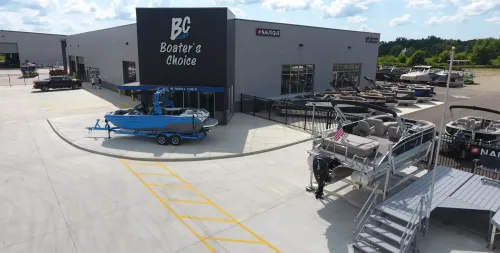
At Boater’s Choice, we know that convenience and efficiency are key to maximizing your time on the water. One popular upgrade many boaters consider is Sea-Legs—an innovative system that allows you to park your boat virtually anywhere without relying on docking lines, bumpers, or traditional lifts.
Like any boating accessory, Sea-Legs offer both advantages and drawbacks. Below, we break down the pros and cons to help you determine whether Sea-Legs are the right fit for your boating lifestyle.
Advantages of Sea-Legs
- Flexible Parking Options
One of the biggest advantages of Sea-Legs is the freedom they provide. With the ability to park your boat almost anywhere, Sea-Legs eliminate the need for traditional docks. This is especially appealing for boaters who enjoy exploring remote coves, beaches, and shallow areas without worrying about securing a dock space.
- Minimal Installation Hassles
Sea-Legs are designed for ease of use and work best in water depths under six feet. Unlike traditional boat lifts, they do not require seasonal installation or removal by lift installers. Deployment and retraction are simple, allowing you to set up and secure your boat without additional assistance.
- Travel With Your Boat
Unlike removable boat lifts, Sea-Legs travel wherever your boat goes. This means no installing or uninstalling lift systems at year after year, giving you added peace of mind and more time to enjoy your time on the water.
Disadvantages of Sea-Legs
1. Added Weight
One of the most notable drawbacks of Sea-Legs is their weight. Depending on whether they are installed on a pontoon or tritoon, Sea-Legs can add approximately 400 to 600 pounds. This additional weight can impact the boat’s handling and overall performance.
2. Reduced Performance
Due to the added weight and drag, some boaters may notice a decrease in speed, acceleration, and maneuverability. For those who prioritize performance and agility on the water, this trade-off may be a significant consideration.
3. Power Draw from the Boat Battery
Sea-Legs operate using a remote-controlled system that draws power from the boat’s battery. Frequent use or extended operation without proper battery management can lead to battery drain, which may affect other onboard systems.
4. Drag and Noise While Underway
Because Sea-Legs hang below the deck, they can create drag when the boat is in motion. This may slightly reduce cruising efficiency and, in certain conditions, cause spray that generates additional noise while driving.
5. Debris Buildup in the Feet and Pads
Since Sea-Legs make direct contact with the lake bottom, rocks, gravel, sand, or other debris can become lodged in the feet or pads. This debris may prevent the legs from fully deploying or retracting if not cleared regularly. Routine inspection and cleaning are necessary, especially in lakes with rocky or uneven bottoms.
6. Additional Maintenance and Service
Sea-Legs add another mechanical system to your boat that requires ongoing maintenance. Over time, parts may need adjustment or replacement, and a malfunction could temporarily prevent boat use. Proper care and regular servicing are essential for reliable operation.
Conclusion
Sea-Legs offer unmatched flexibility and convenience for boaters who value the ability to park anywhere without the need for docks or lifts. However, factors such as added weight, performance impact, battery usage, noise, and ongoing maintenance should be carefully considered.
Ultimately, the right choice depends on your boating habits and priorities. At Boater’s Choice, we’re happy to help you evaluate whether Sea-Legs are the best solution for your needs. Stop by or contact our team to learn more—happy boating!