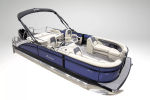
As boating season comes to an end, proper winter preparation is one of the most important responsibilities of pontoon ownership. Taking the time to perform annual maintenance before winter storage helps protect your investment, prevents costly repairs, and ensures your boat is ready to go when warmer weather returns.
Below is a guide to the key maintenance steps every pontoon owner should complete before winter, along with why each step is so important.
- Clean the Boat Thoroughly
What to Do:
- Wash the deck, furniture, rails, and pontoons
- Remove dirt, algae, and water stains
- Clean vinyl seating with marine-safe cleaners
Why It Matters:
Leaving grime or organic material on your pontoon over winter can lead to mold, mildew, staining, and corrosion. A clean boat stores better and lasts longer.
- Protect the Interior and Upholstery
What to Do:
- Remove personal items and loose gear
- Ensure storage compartments are dry
- Use moisture absorbers or desiccant packs
Why It Matters:
Moisture trapped inside the boat causes mold, mildew, odors, and premature vinyl damage. Proper drying and ventilation are critical for winter storage.
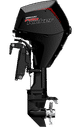
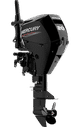
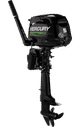
- Winterize the Engine
What to Do:
- Flush the engine with fresh water and antifreeze
- Add fuel stabilizer and circulate it
- Change engine oil and lower unit gear oil
- Fog the engine if recommended by the manufacturer
Why It Matters:
Freezing temperatures and old fluids can damage internal engine components. Proper winterization protects seals, cylinders, and moving parts.
- Inspect and Maintain the Fuel System
What to Do:
- Fill the fuel tank to reduce condensation
- Add marine-grade fuel stabilizer
- Inspect fuel lines for cracks or wear
Why It Matters:
Unprotected fuel can break down over winter, leading to poor performance and fuel system issues in spring.
- Check the Battery
What to Do:
- Disconnect and or remove the battery
- Fully charge it before storage
- Store in a cool, dry place
- Use a maintenance charger if possible
Why It Matters:
Cold weather drains batteries and shortens lifespan. Proper care helps avoid dead or damaged batteries next season.
- Inspect the Pontoons and Undercarriage
What to Do:
- Check for dents, cracks, or corrosion
- Inspect brackets, welds, and lifting strakes
- Remove pontoon drain plugs
Why It Matters:
Damage can worsen during winter due to freezing and moisture. Catching issues now prevents bigger repairs later.
- Lubricate Moving Parts
What to Do:
- Grease steering components and fittings
- Lubricate throttle, shift controls, hinges, and latches
Why It Matters:
Lubrication prevents corrosion and keeps components moving freely after months of inactivity.
- Inspect Electrical Systems
What to Do:
- Check wiring for corrosion or loose connections
- Test lights, switches, and electronics
- Remove electronics if recommended
Why It Matters:
Electrical issues are common after winter storage. Addressing them early helps ensure a smooth start to the season.
- Shrink Wrap for Winter Storage
What to Do:
- Shrink wrap the boat using marine-grade shrink wrap
- Ensure proper ventilation vents are installed
- Allow access points for inspections if needed
Why It Matters:
Shrink wrap provides superior protection compared to standard covers by:
- Creating a tight, weatherproof seal
- Preventing snow, rain, and ice buildup
- Reducing wind damage and cover wear
- Helping deter pests and animals
When properly vented, shrink wrap also minimizes moisture buildup and mold growth, making it one of the most effective winter storage solutions.
- Store the Boat Properly
What to Do:
- Store on a trailer or properly blocked supports
- Ensure the boat is level and supported evenly
- Keep it in a secure storage location
Why It Matters:
Improper storage can cause frame stress, pontoon damage, and water pooling. Correct support protects your pontoon’s structure throughout winter.
- Final Walk-Through and Documentation
What to Do:
- Make note of repairs needed in spring
- Schedule off-season service if required
- Keep maintenance records
Why It Matters:
Staying organized helps preserve the value of your pontoon and ensures a hassle-free launch next season.